Clayface
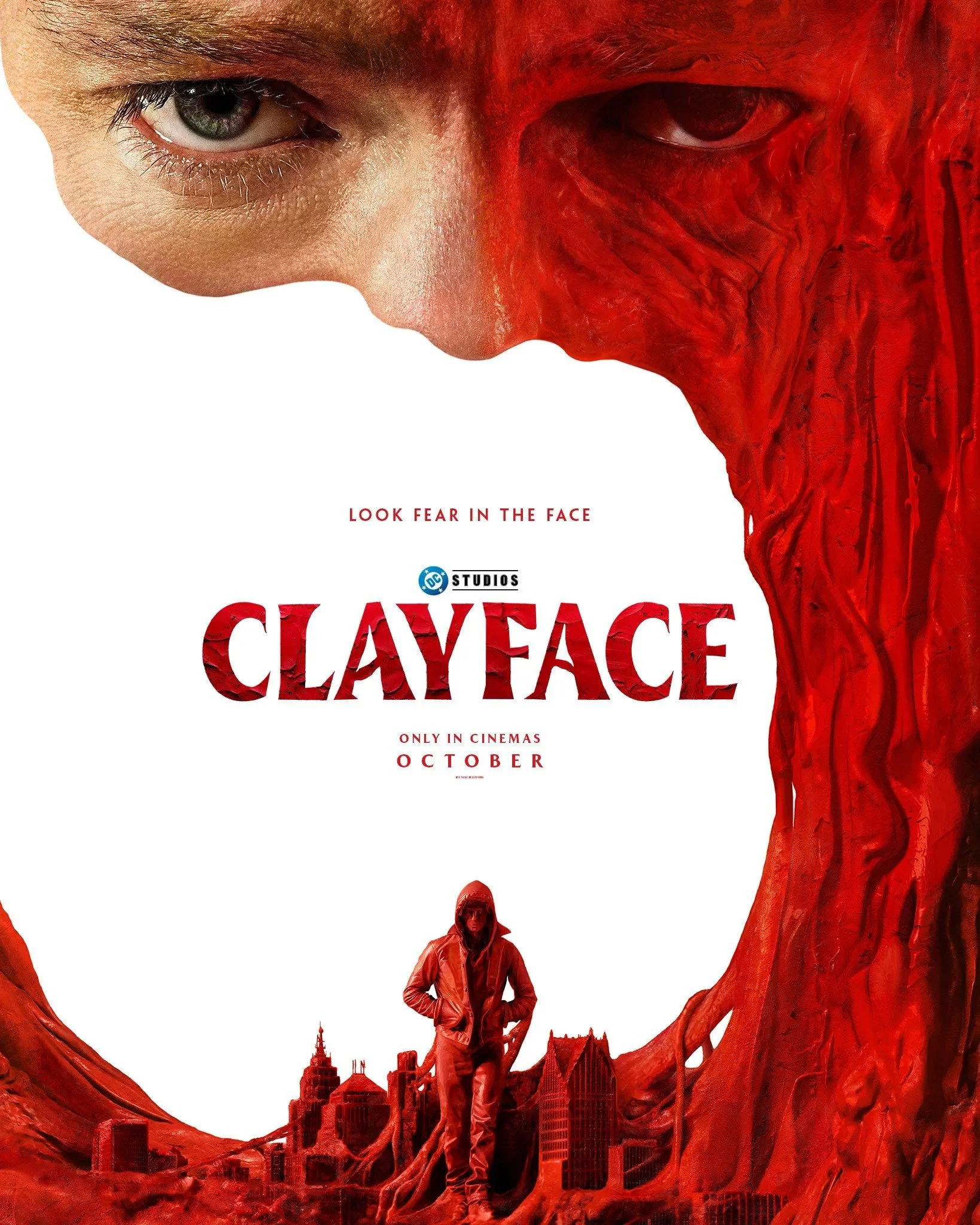
As the third film in the DCU, Clayface breaks free from the confines of being a ‘comic-book’ movie to tell a full-blown, rated-18, character-driven, tragic horror story, to impressive effect.

Premise: Rising-star actor Matt Hagen (Tom Rhys Harries) has finally hit the big time, when an encounter with a Gotham City mob boss leaves him terribly disfigured with his career in tatters. With nothing left to lose, he pressures desperate fringe scientist Caitlyn Corr (Naomi Ackie) to test her experimental nanite therapy on him, in the hope that it can rebuild his damaged flesh – and although the initial results appear positive, it soon becomes clear that Matt Hagen’s unresolved trauma reaches much further than just skin deep.

Review:
One of the reasons why the Marvel Cinematic Universe has had such longevity (38 films and counting, not including TV shows and specials) is because the series doesn’t just tell traditional ‘superhero’ stories – it crosses into all sorts of other genres and tones, from heist movies (Ant-Man) and martial arts films (Shang-Chi and the Legend of the Ten Rings) to space epics (Guardians of the Galaxy), from the retro-futuristic style of The Fantastic Four: First Steps to the African culture of Black Panther, and from the magical wonders of Doctor Strange to the more grounded world of Thunderbolts*.
Other franchises (perhaps most noticeably, the Star Wars movies) have struggled to break free from the cycle of telling very similar stories from one film to the next – in part because audiences expect all those movies to hit the same, familiar notes. The fledgling DCU series kicked off last year with the very enjoyable Superman (my favourite comic-book movie of 2025), and then this year’s Supergirl tried to find a different tone and energy, telling a space-set revenge story with little-to-no connection to Earth. As much as I loved that it tried to do something different, and parts of Supergirl worked really well (especially Milly Alcock’s central performance), overall the film didn’t quite hang together as well as I’d hoped.
“…a character-driven story focused on Matt Hagen’s mental & physical decline…”
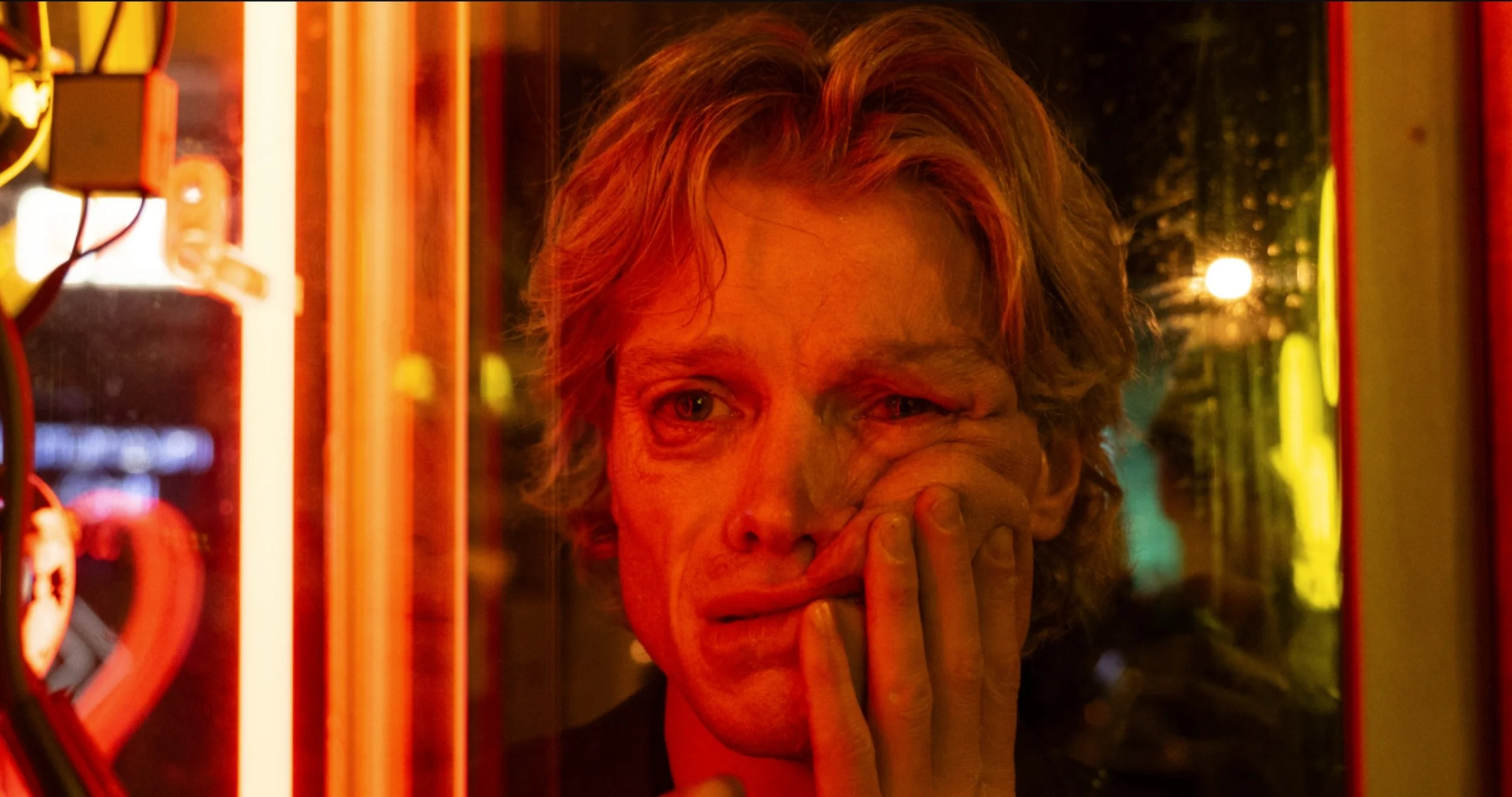
For the third film in the DCU, DC Studios decided to move away from costumed heroes all together, and instead focus on one of Batman’s less well-known villains. Clayface tells the origin story of how actor Matt Hagan (newcomer Tom Rhys Harries) becomes the shapeshifting Batman villain, and this marks the character’s first (proper) live action appearance. And not only is the film a character-driven story focused on Matt Hagen’s mental and physical decline after he’s the victim of a horrific attack, but it’s also the first film in the DCU (or the MCU, for that matter) to be a full-blown, rated-18 horror movie. (While the film isn’t that scary for the most part, horror director James Watkins’ focus on practical special effects, body horror and grounded violence and injury detail are enough to earn the 18 rating).
The end result is that Clayface is a film that should appeal both to (older) comic-book fans and to horror movie fans … and perhaps even to people who wouldn’t normally consider themselves fans of either but who love a good character driven tragedy. While Clayface never quite hits the highs of David Cronenberg’s 1986 classic The Fly (and few, if any, ever could), it certainly reminded me of that tragic horror movie, and was a far more effective homage to it than last year’s disappointing Wolf Man.
“…fully explores the character’s tragic backstory…”
Another thing that I want to make clear is that unlike Sony’s cynical and cash-grabbing attempts to turn Spider-Man villains into “anti-heroes” in terrible films like Morbius and Kraven the Hunter, Clayface in unquestionably a villain’s origin story. Don’t get me wrong – the film does a great job of making Matt Hagen a three-dimensional character who doesn’t simply wake up one morning and say “I’m going to be a super-villain now”, but his moral decline over the course of the film leads to a place where we won’t expect to see him fighting on the side of the angels any time soon.
That said, one of the things that makes Batman’s “Rogue’s Gallery” arguably the best of any comic-book superhero is that so many of his villains do have well-developed and sympathetic origin stories. I think it’s also only fair to give Batman: The Animated Series the credit it deserves, because the 90s cartoon series not only created one of the most iconic comic-book characters of the last few decades with Harley Quinn, but it also redefined the origin stories for long-running characters like Two-Face, Mr Freeze and, of course, Clayface. In fact, horror maestro Mike Flanagan (who wrote the story for this film) credits the original episode from Batman: The Animated Series as being his inspiration for this movie, and Clayface takes the opportunity to fully explore the character’s tragic backstory.
“…leads to a truly unforgettable final act…”
Tom Rhys Harries is great as Matt Hagen, bringing his many facets to life and making his mental and physical deterioration feel believable and earned. Meanwhile, although Naomi Ackie has arguably been saddled with the “exposition” role, she effortlessly makes sure that Dr Caitlyn Corr feels like a fully realised character in her own right, whose character arc didn’t develop in quite the way I expected it to. The main cast is rounded out by Eddie Marsan as Matt’s manage and Max Minghella as Caitlyn’s Gotham City Police Department fiancée, and there’s even a cameo from Rob Brydon as a late-night TV chat-show host.
Clayface provided all the character-driven tragedy I was looking for, and while it didn’t feel like the violence or horror elements were excessive (the only violence that felt disturbing or upsetting was the initial attack on Matt, which is meant to feel disturbing and upsetting), they do lead to a truly unforgettable final act which includes some very inventive horror-based moments. I must confess that after the main “finale”, I did originally feel in the moment like the movie ran out of steam a little bit, but once the end credits rolled and I could judge the final act as a whole, I thought the post-finale “coda” was actually the perfect way to end the film.
“…an origin story that’s well worth your time…”
Overall, the focus on the psychological and emotional elements of the character driven story, and the tangible quality of the horror elements created by the filmmaker’s use of practical effects (obviously augmented by visual effects), make Clayface an origin story that’s well worth your time (provided you have the stomach for it).
(Oh, and in case you were wondering, Clayface doesn’t have any end credit scenes.)